Gruppenausstellungen:
1978 Künster fördern Künstler, Frankfurt
1978 Frankfurter Kunstverein
1980 Frankfurter Kunstverein
1980 Grossflächen Plakataktion, Gestaltreform, Frankfurt
1981 Ausstellungraum Dr. Treek, Frankfurt
1981 Ausstellungsraum Dr. Treek,
Einzelausstellungen:
1985 McCann Erickson, Frankfurt
1986 Galerie Hartmann, Frankfurt
1987 Galerie Hartmann, Frankfurt
1987 Galerie Hartmann, Frankfurt
1989 Staacke Kunst, Köln
1989 Galeria Passo Carraio, La Spezia, (I)
2015 Ausstellunghalle 1A, Frankfurt
2019 Colour on Paper, Miettinen Collection, Berlin
2024 Erdregionale Repräsentanten machen auf sich aufmerksam, Robert Grunenberg Berlin
Frankfurt
1981 Tango Frankfurt, Frankfurt
1981 Tango Frankfurt, Köln bei Zwirner
1982 Lenin, Frankfurt
1982 Spacex Gallery Exeter, GB
1982 Karmeliter Kloster, Frankfurt
1982 Galerie Piro, Frankfurt
1982 Kommunale Galerie, Frankfurt
1984 Moderne Kunst nach 1980, Hannover, Sprengel Fabrik
1986 Moderne Kunst, Frankfurt
1988 Marelies Hess Stiftung, Frankfurt
1988 Galerie Ha-Jo Müller, Köln
1989 Mariechen Kunst Konnex zur Art Frankfurt
1989 McCann Erickson Frankfurt mit Klaus Gaida
1989 Walk Don‘t Walk, Köln
1989 Galerie Schneiderei, Köln
2017 Ausstellungshalle 1A mit Michael Delto, Frankfurt
2024 Ausstellungshalle 1A, Frankfurt
Publications
-
LE MONDE
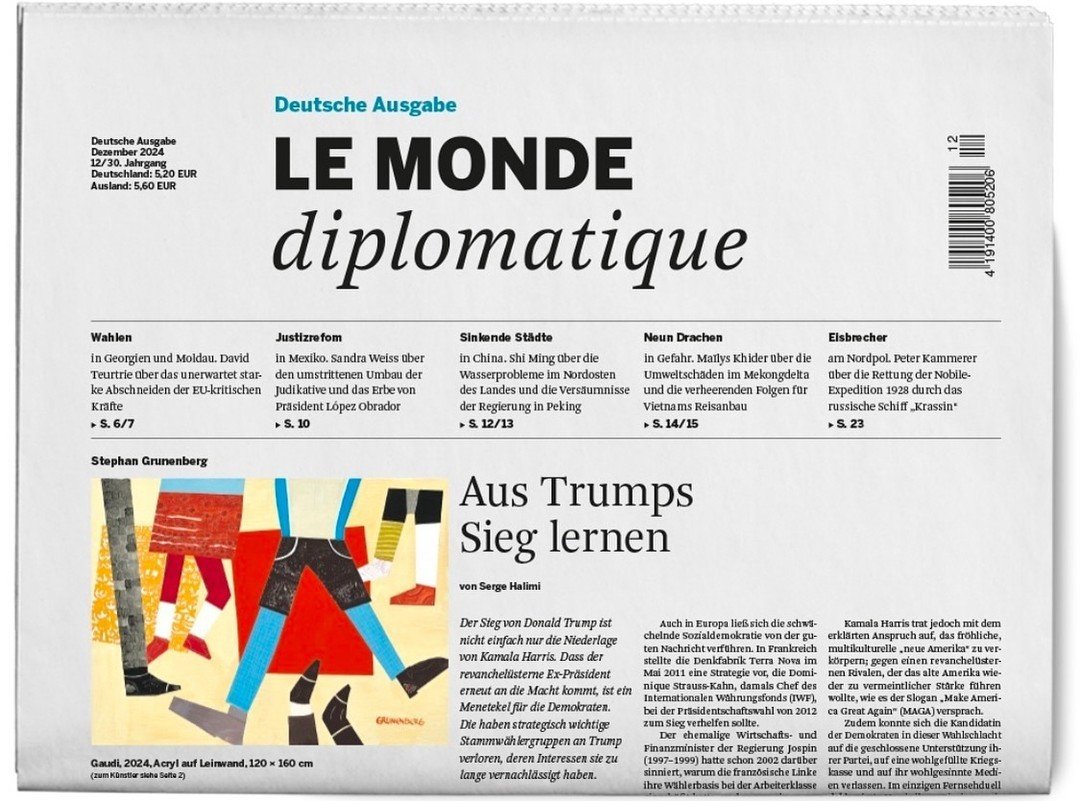
In dieser Ausgabe zeigen wir Arbeiten aus einer ganz neuen und ungeheuer frischen und energiegeladenen Werkgruppe des Frankfurter Malers Stephan Grunenberg…
READ MORE -
DCV Bücher Editionen
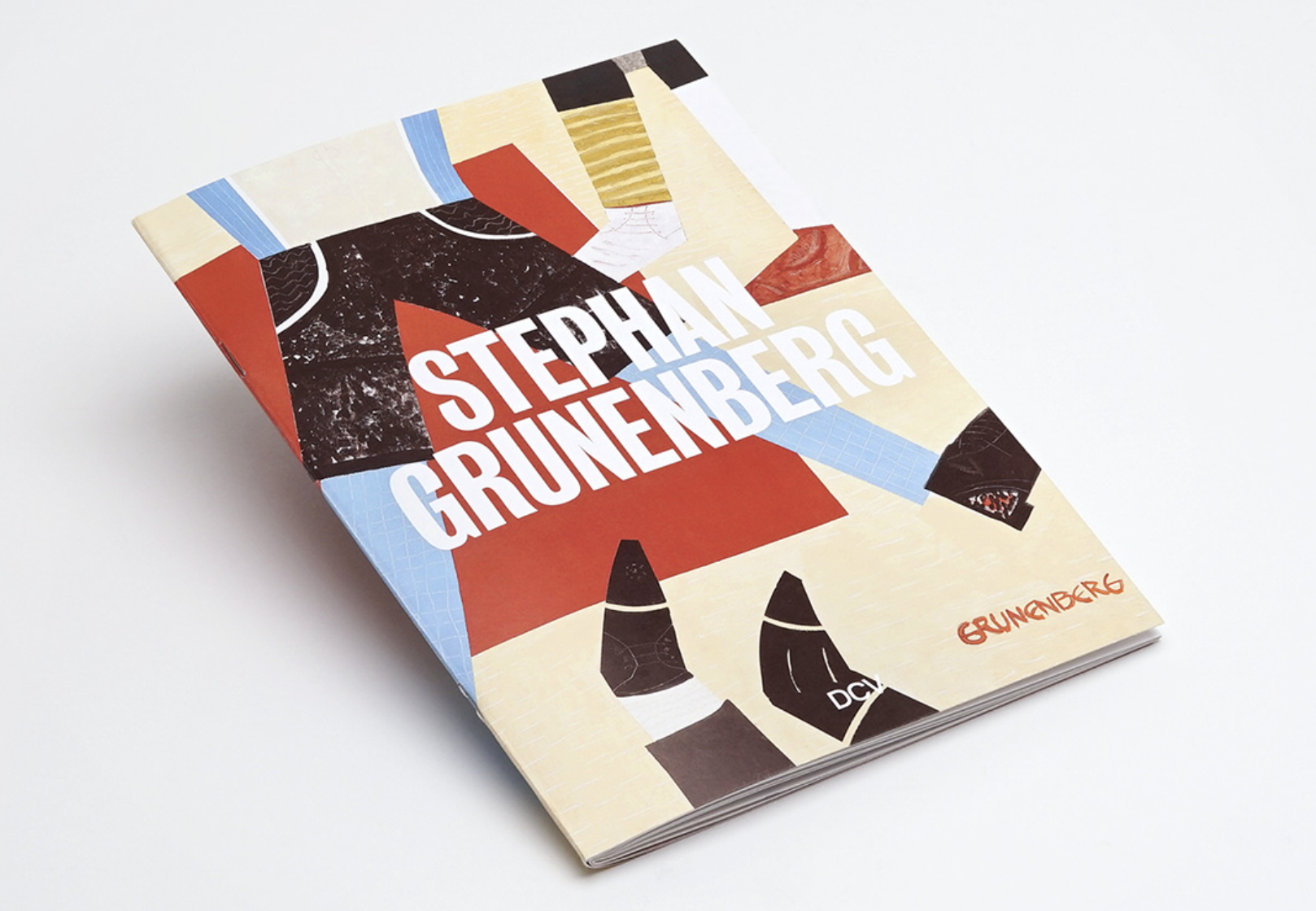
Stephan Grunenberg (geb. 1954) malt sonderbare Porträts: nicht Köpfe oder sitzende und liegende Körper, sondern verselbständigte Füße, Beine, Hosen, Strümpfe und Schuhsohlen…
READ MORE
Everything is there because it should be
Stephan Grunenberg's dialectical, associative painting
— by Oliver Koerner von Gustorf
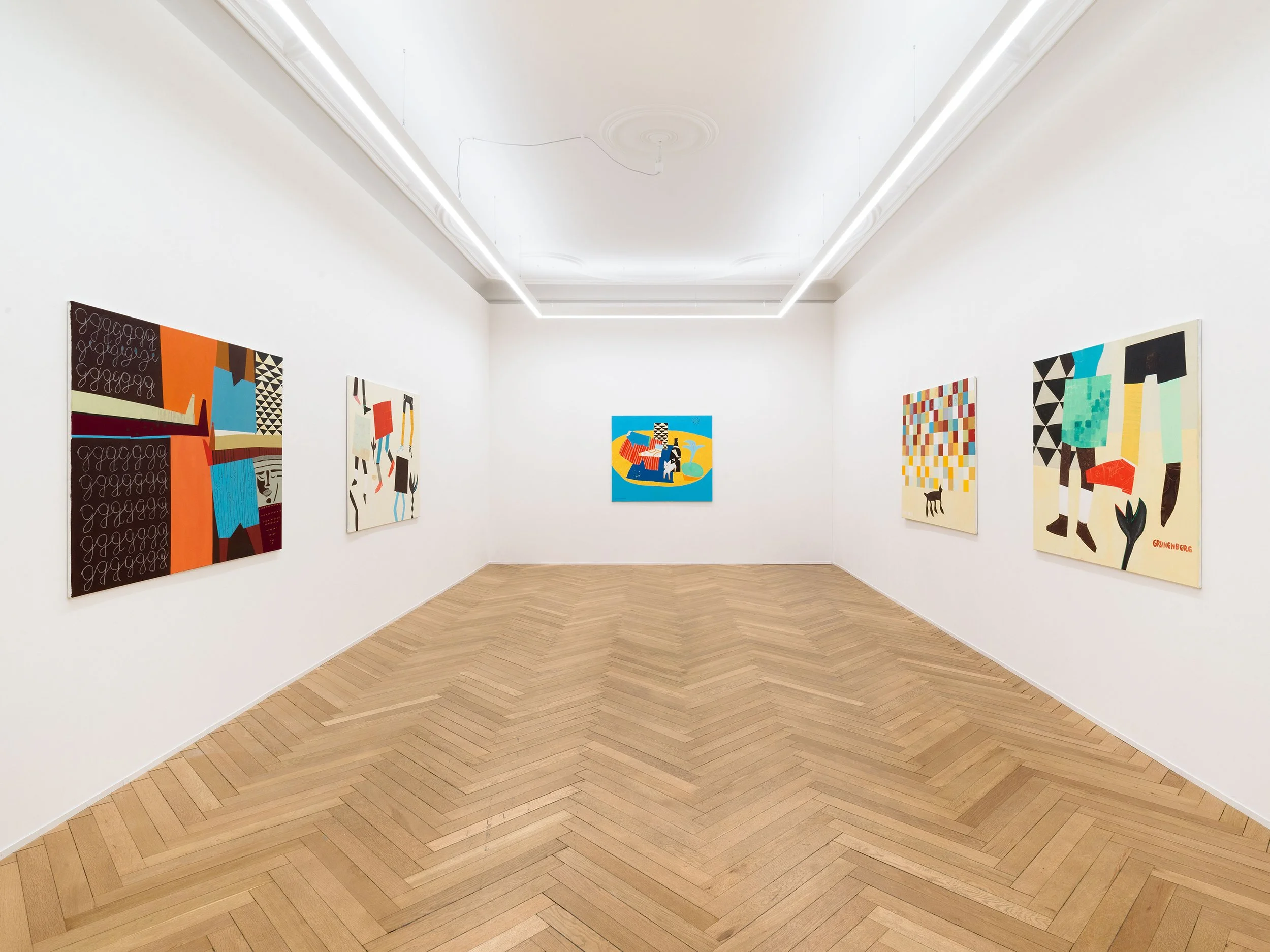
In Stephan Grunenberg's (*1954) exhibition Erdregionale Repräsentanten machen auf sich aufmerksam at Robert Grunenberg, everything that lies 'below the waist' plays a role. In the traditional canon of painting, it is primarily the face and the upper body that receive attention. Meanwhile, the lower body is, of course, omitted, for example in half-length portraits in painting or in busts. Grunenberg subversively turns this principle on its head - or rather, on its legs. What kind of image is created when the torso and head are omitted with the same matter-of-factness?
Grunenberg's dog, which joined the family, also provided the impetus for his latest series of medium-sized acrylic paintings. Dogs, associated with unconditional love, playfulness, subordination, and grounding, have long appeared in Grunenberg's paintings. But on walks he observed the animal's interaction with humans and discovered a new perspective in his painting.
Brightly coloured, extremely reduced forms of shoes, feet, legs, trousers and stockings collide with everyday objects that are often barely noticed: bouquets of flowers, shoe soles. All these elements become part of an almost choreographed, precisely balanced composition, which the artist first defines in sketches. The works of the former Städel student, who studied with Thomas Bayerle and began his career in the 1980s, reflect influences from post-war modernism and post-modernism as well as personal contemplations on painting and life.
Grunenberg's career was influenced by his aunt Josefa, a nun and artist who worked as a missionary in South Africa, where she also taught art. During her first stay in Germany in the late 1950s, when she studied for a semester at the Düsseldorf Academy, she brought back works and artefacts from her students. These made a lasting impression on Grunenberg, who was still a toddler at the time. Their reduced forms, such as a bamboo cane patterned with black paint, are recurring motifs in his paintings to this day. Like trouser legs or shoes, they are often broken down into geometric or silhouette-like, brightly coloured elements. All the forms that he incorporates into his compositions come from his immediate surroundings, including the half-timbered house of Grunenberg's grandfather, who was a sculptor. Often it is spaces, objects, situations, memories from childhood that echo in Grunenberg's paintings, a family history in which the love of modern and non-European art resonates. There are reminiscences of the traumas, the awakening and the abstract styles of the post-war period, of the revolts of the 1960s, of punk and wave, of the digital age.
One could, of course, discover references to image editing programs such as Photoshop in the collage-like, montage-like, two-dimensional painting, in which forms are cut out and moved back and forth on various planes - only that Grunenberg counteracts this at the same time with the clearly manual, imperfect, outsider-like. And perhaps there are references to the paper cut-outs of Matisse and Picasso, to the modernist fascination with 'primitive' art. Bauhaus, graphic design, illustration, mid-century design, even Pop Art and the post-modern, neo-expressive German painting of the 1980s might come to mind.
At the same time, these influences condense in Grunenberg's painting into pictograms, reduced, abstract forms that detach themselves from their original meaning, open up, and become part of an almost abstract vocabulary. Grunenberg uses them to create a dialectical, associative painting that addresses existential, very contemporary states and emotions: loneliness, community, eroticism, love, power, revolt, spirituality. Of course, there is also a sense of fragmentation and chaos. Bodies and clothes dissolve into modules, colour fields, dance around, are blocked by legs, arms, shoes. Grunenberg creates wide, stage-like colour spaces, in which stylised plants, structures of wallpaper, furniture, objects function as backdrops, but which are also modules. In this way, inner and outer experience, humour and philosophical melancholy overlap. Grunenberg develops a dry and at the same time poetic theatricality that is always also a meditation, a kind of haiku on painting and the role of the artist.
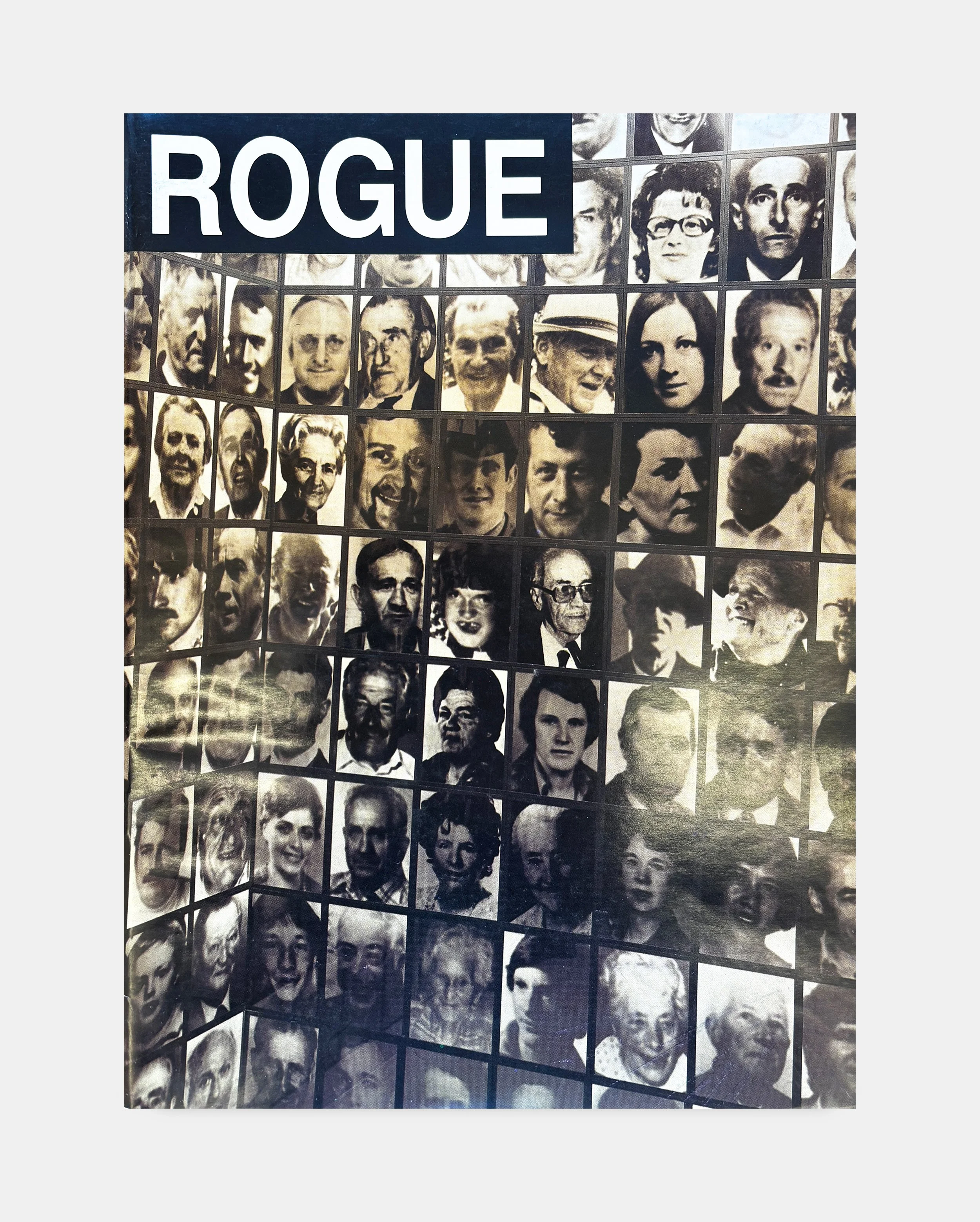
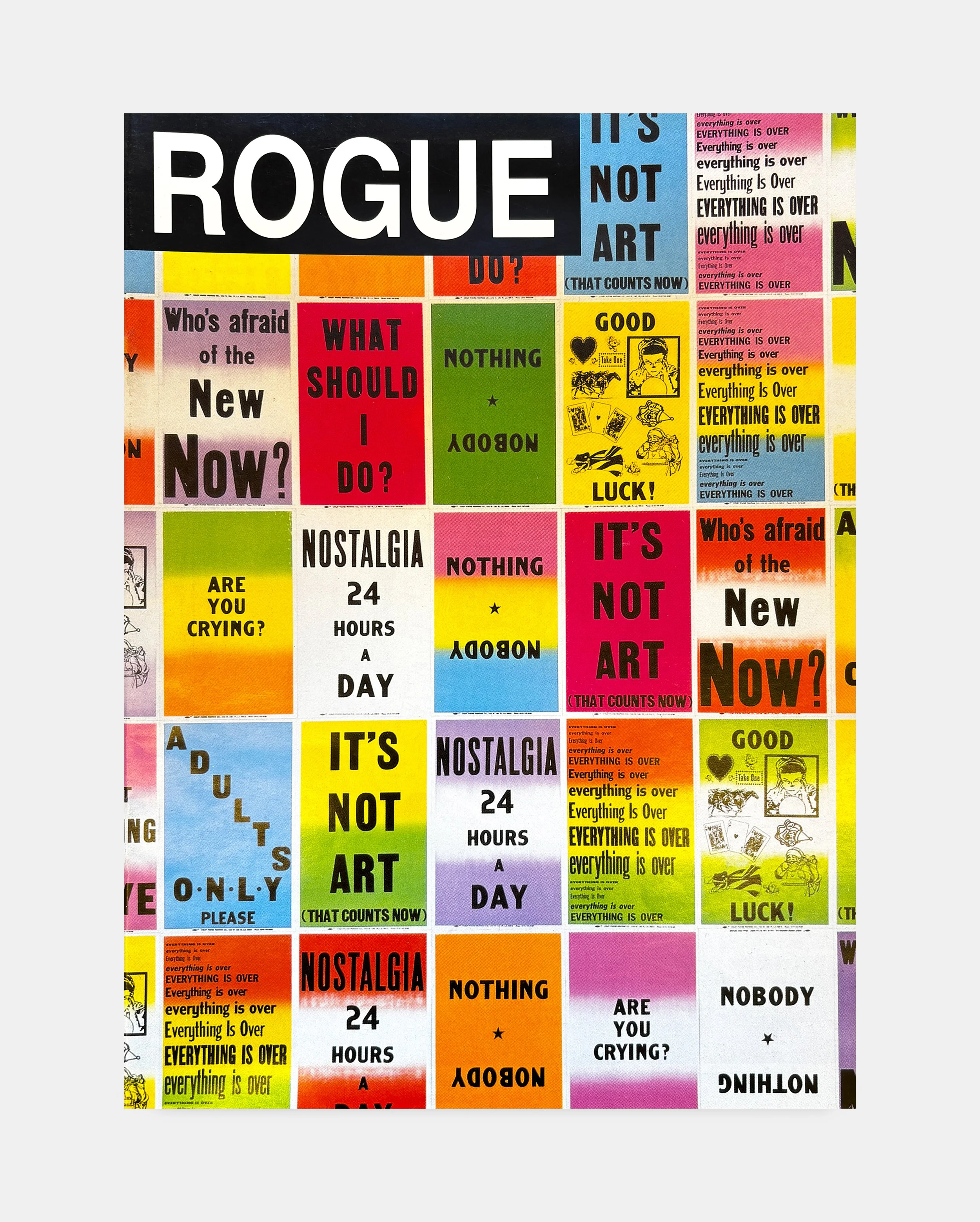
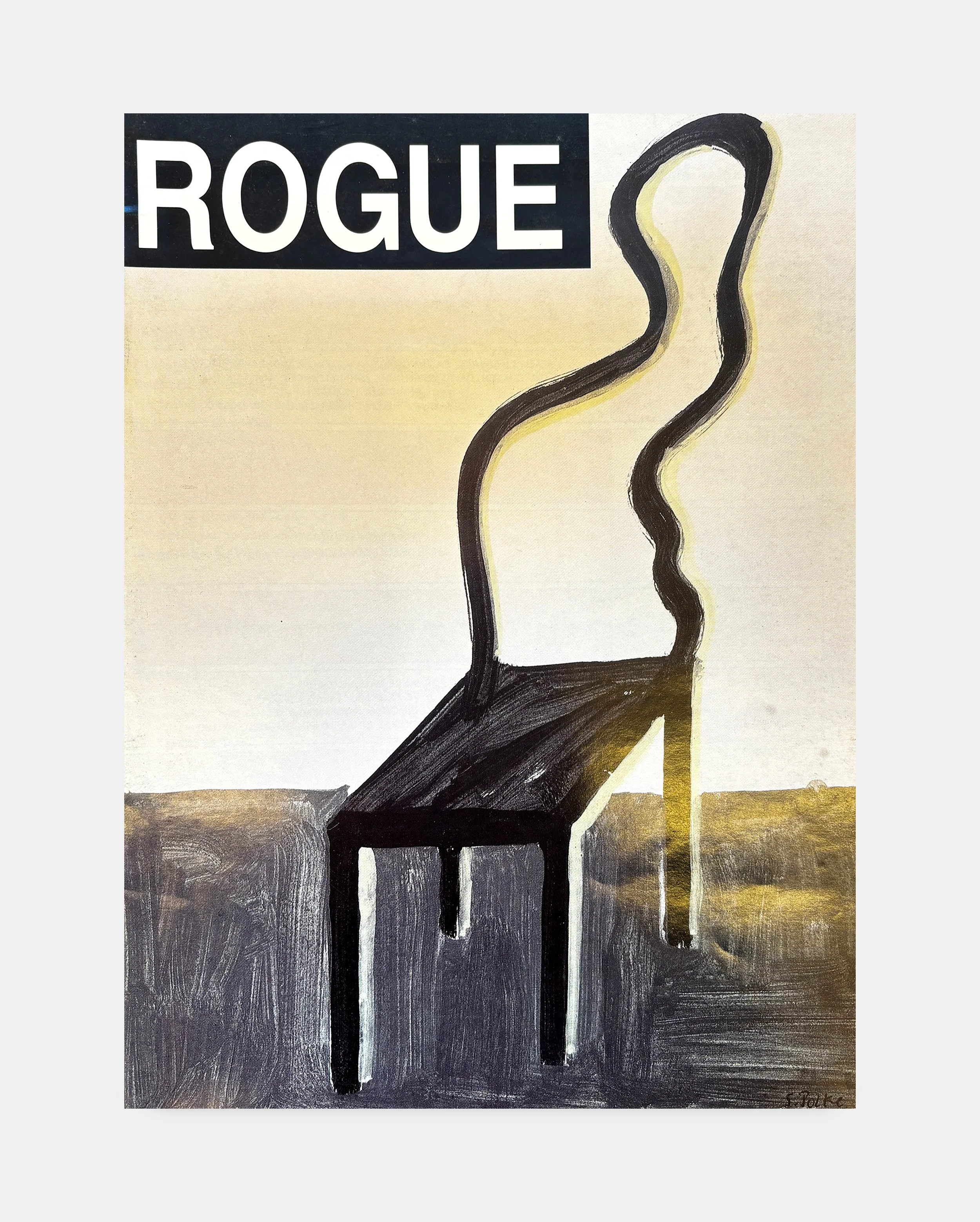
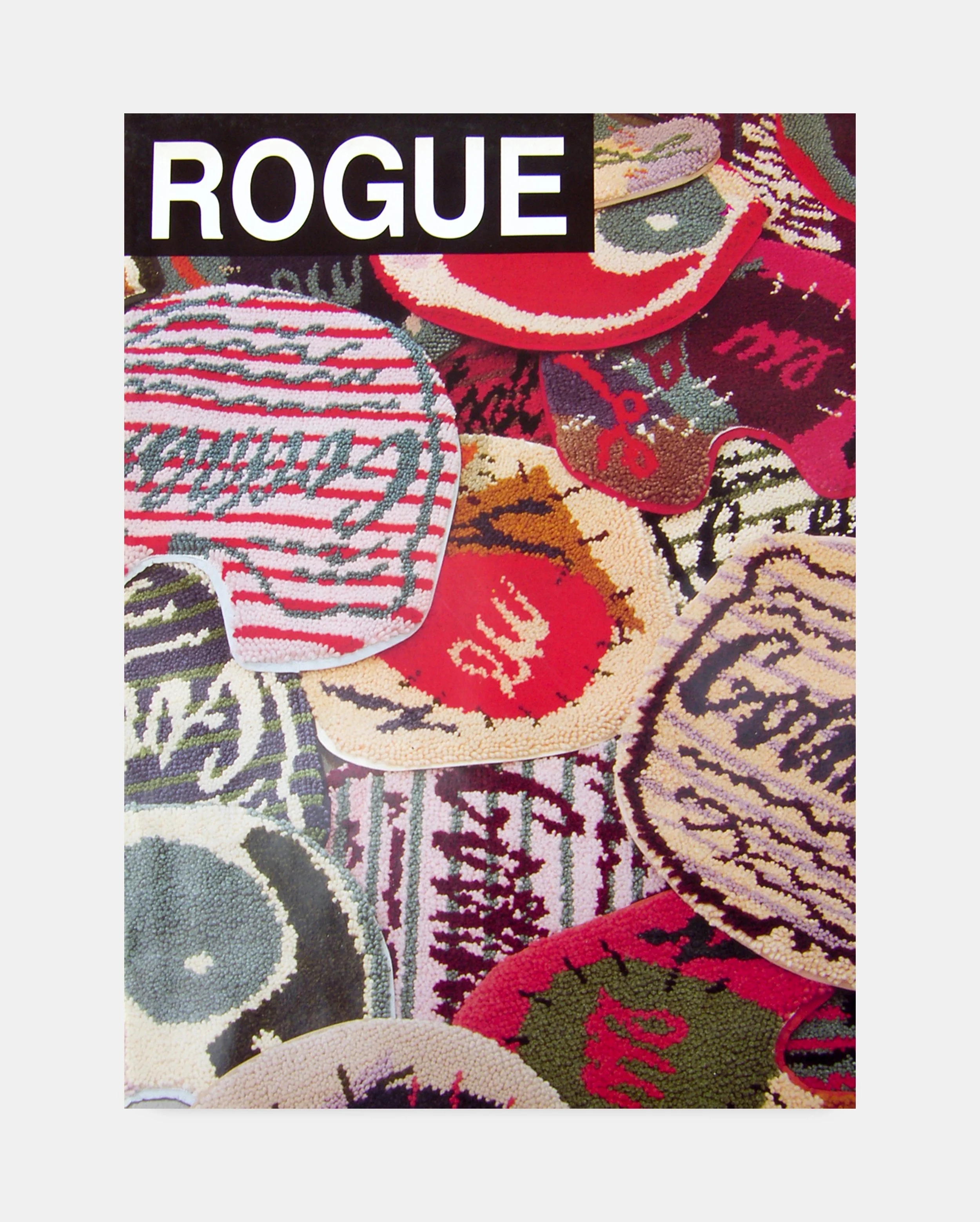
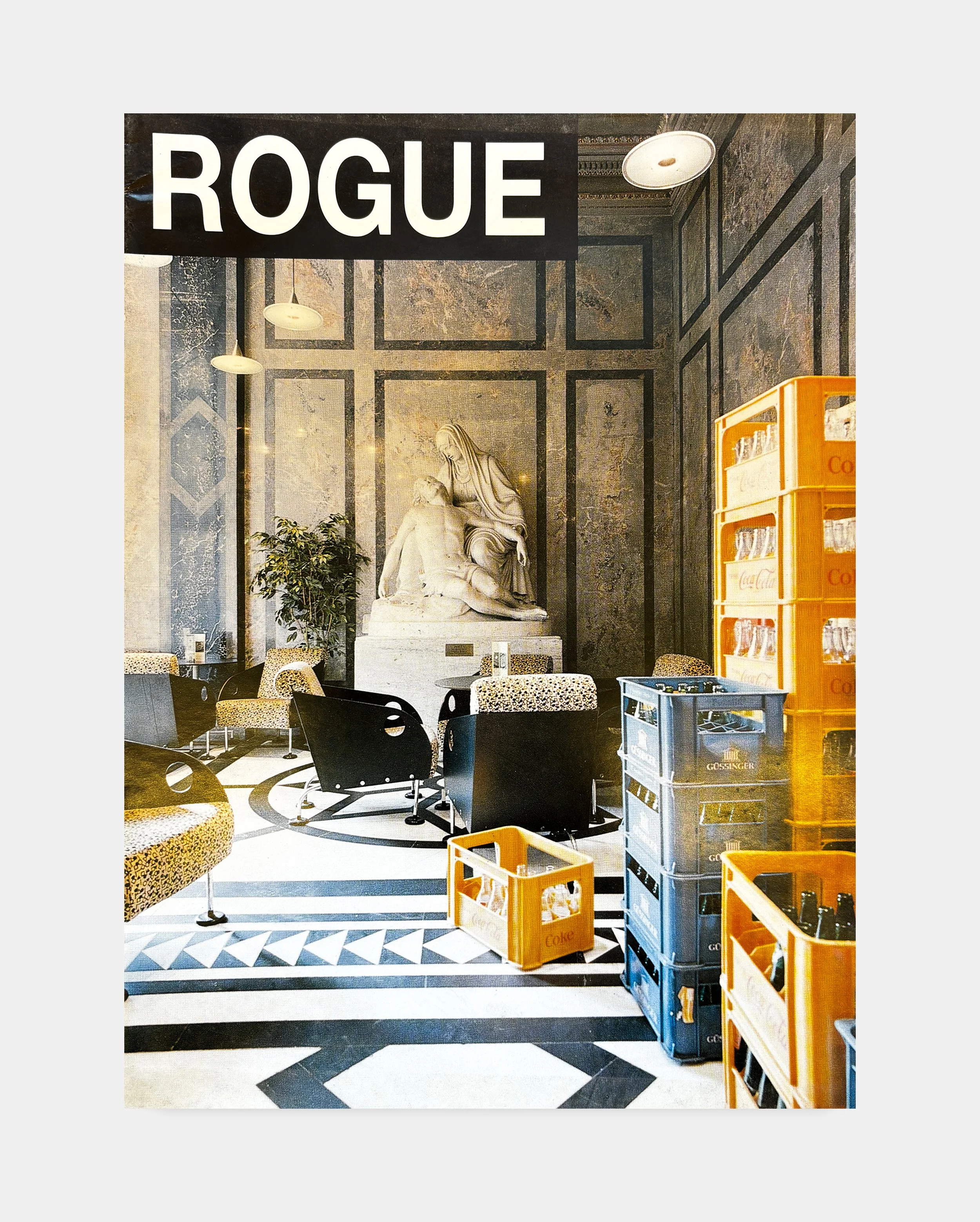
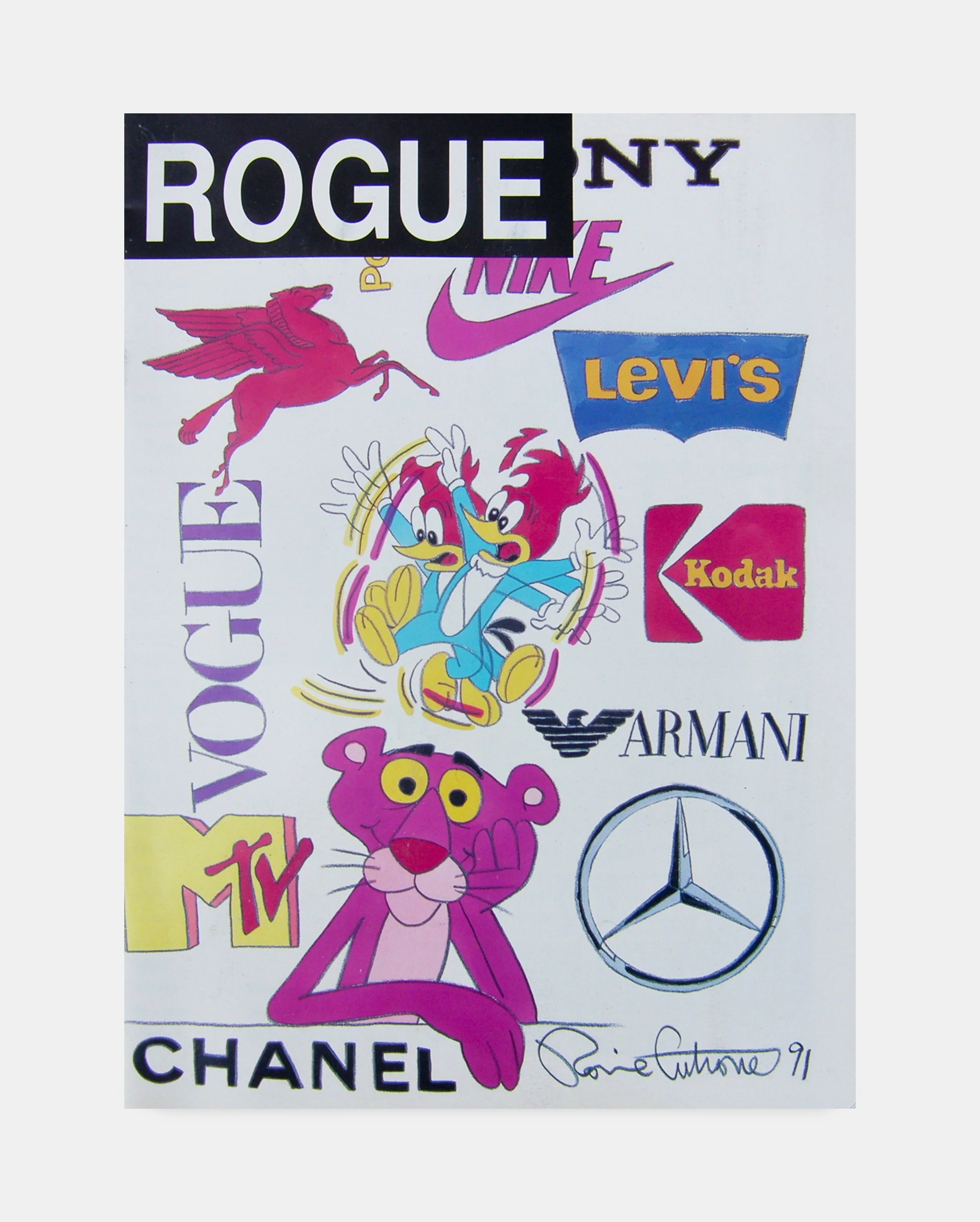
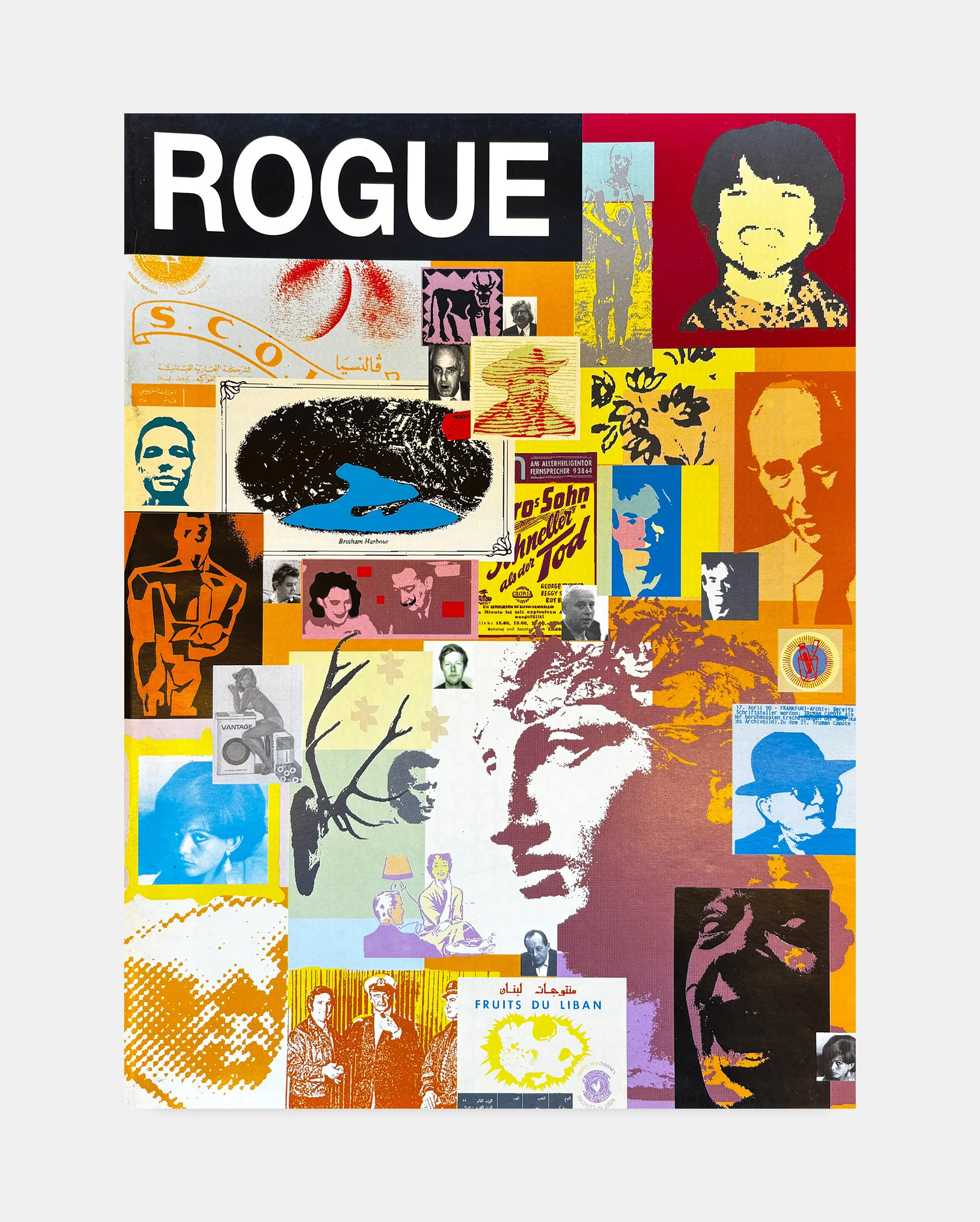
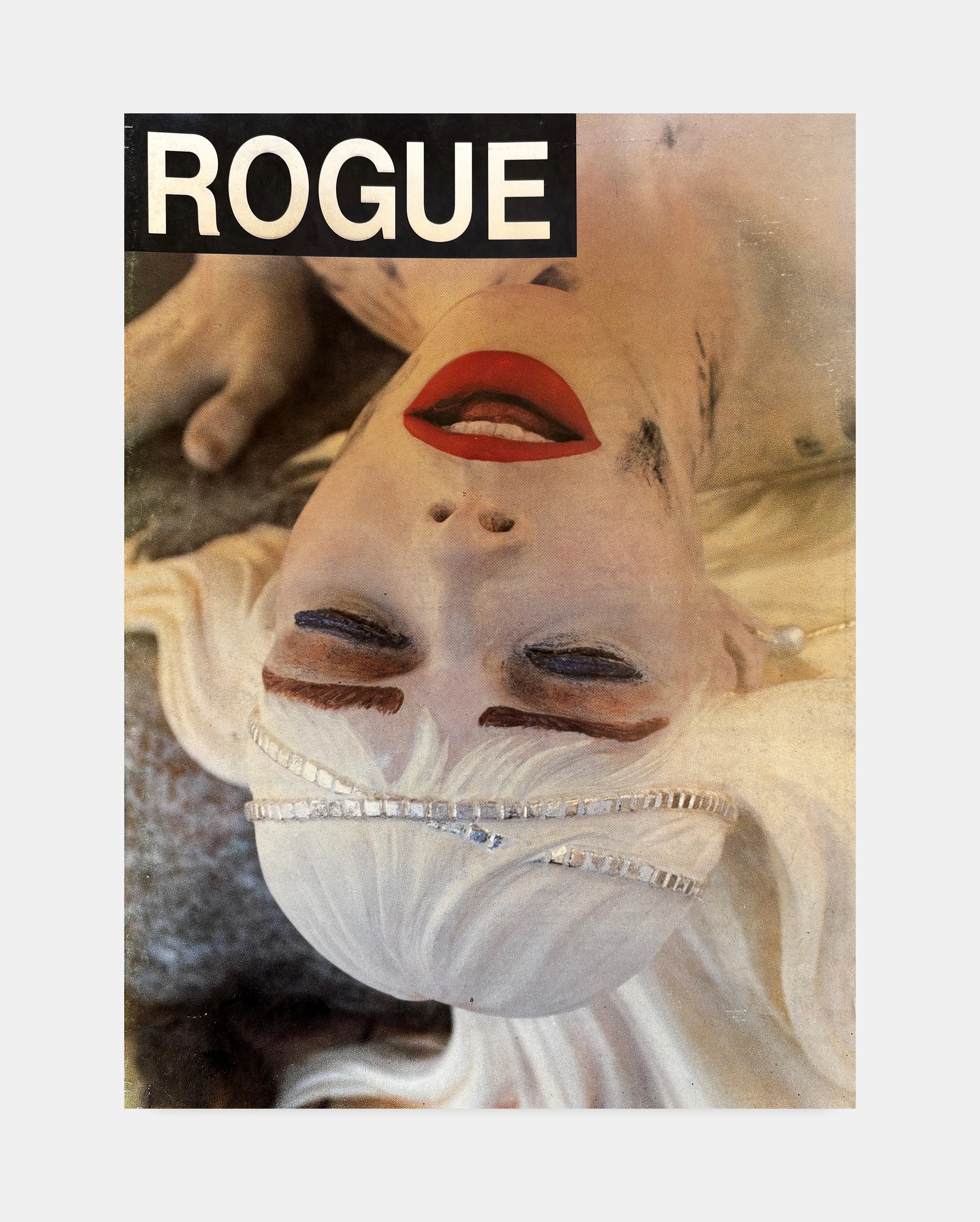
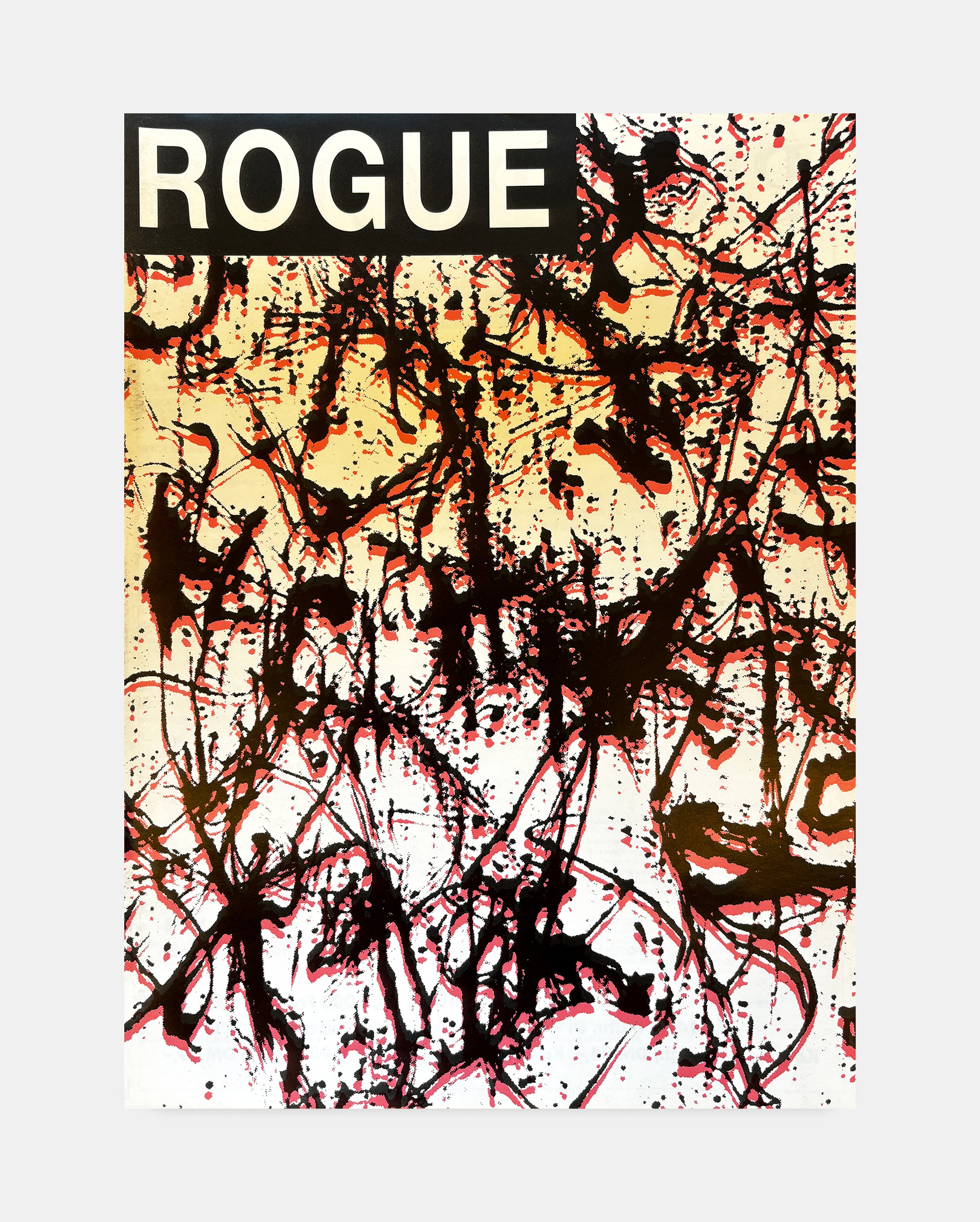
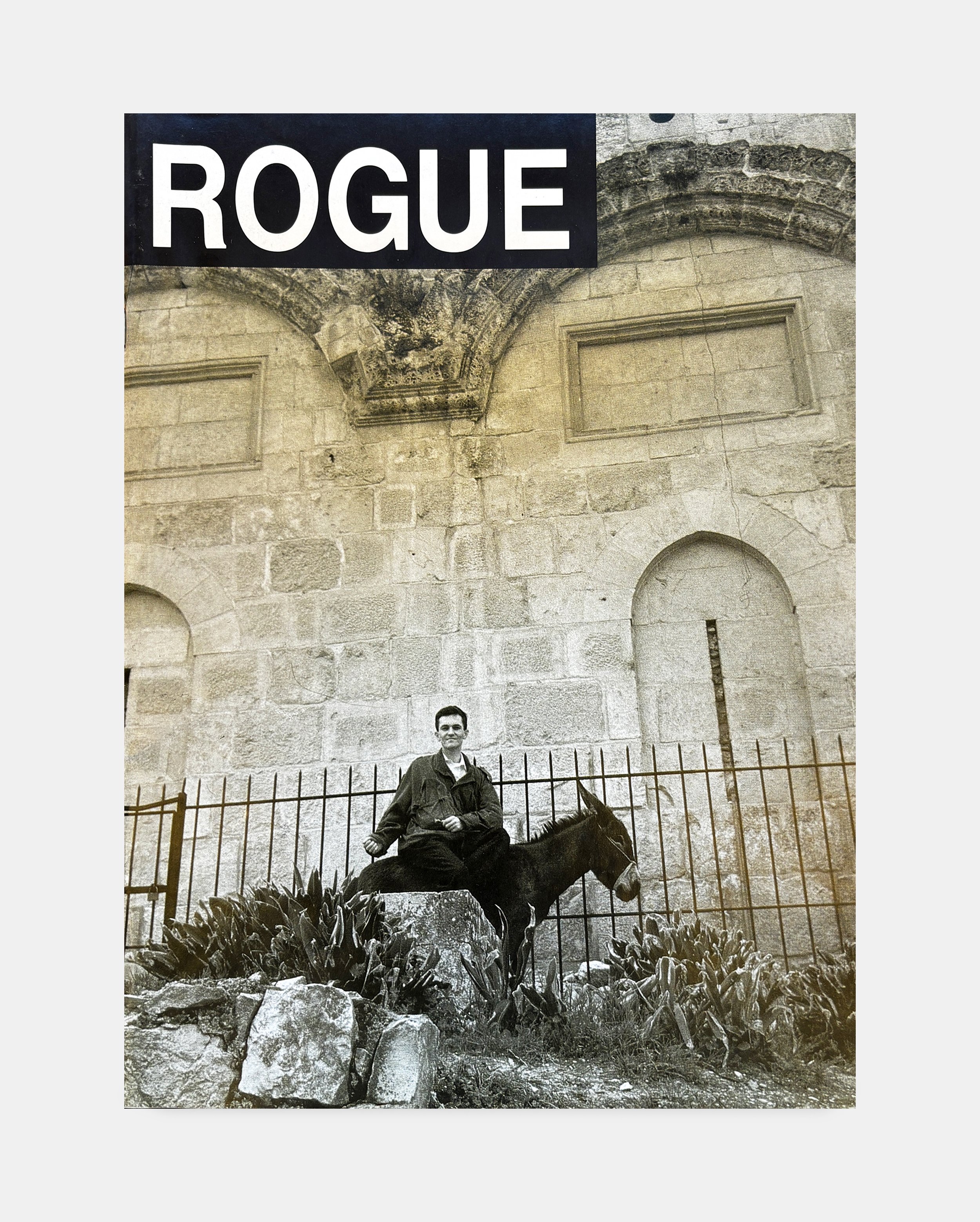
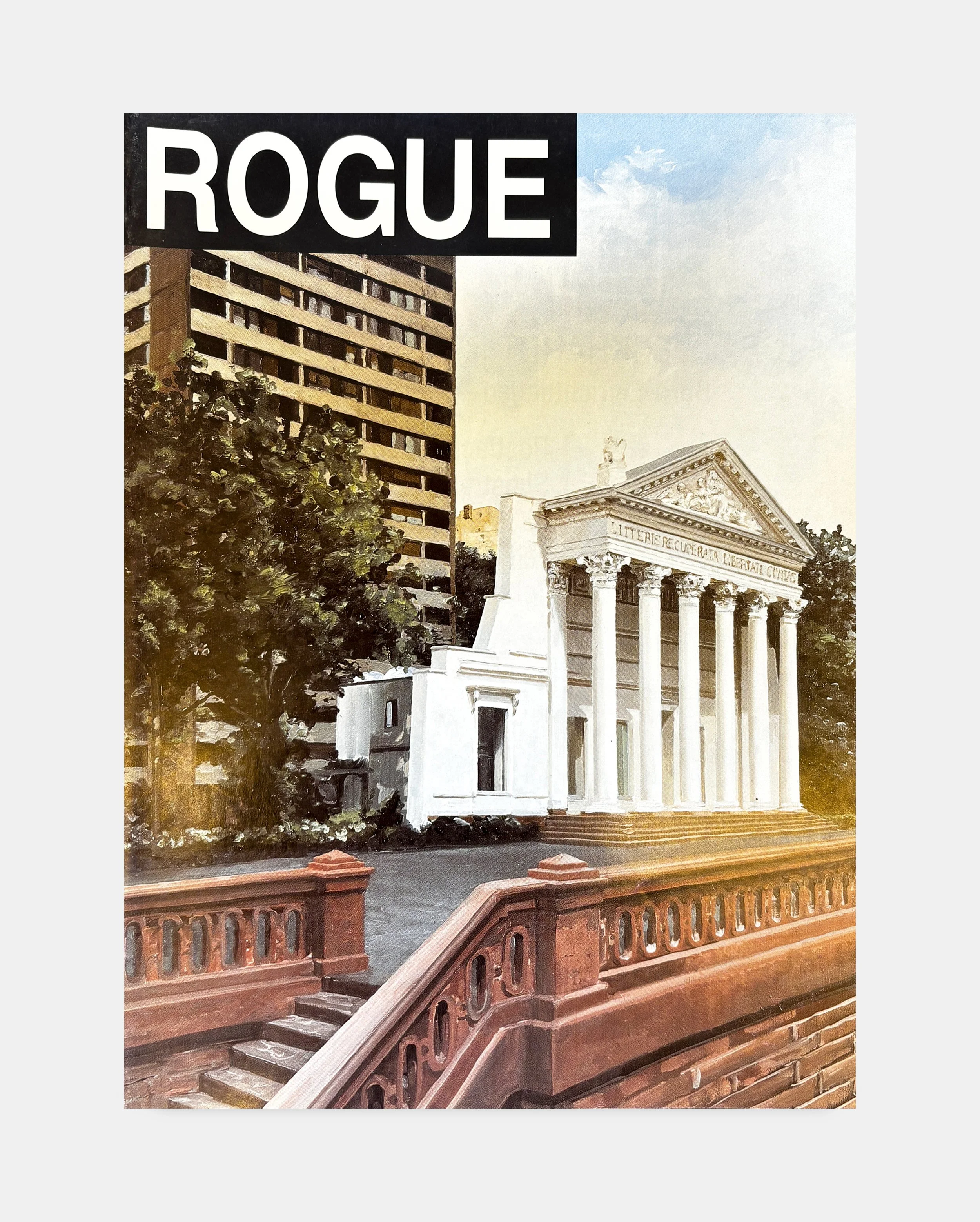
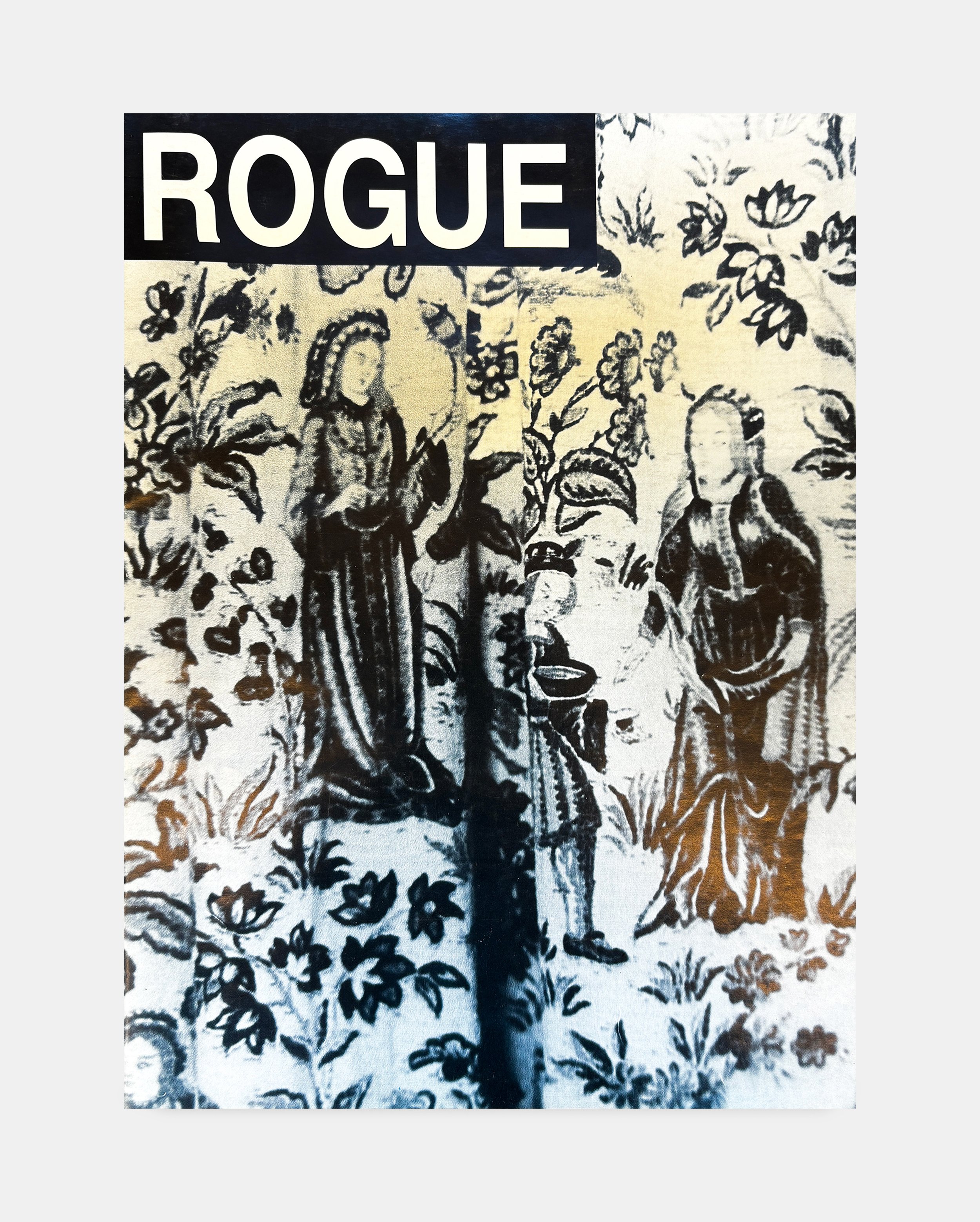
At the same time, this visual vocabulary serves the harmonious, purely formal composition of the picture, a balance that results from experimenting with contrasts. Grunenberg is particularly interested in the tension between the colour field and the emotionally charged painterly gesture, the analytical and the intuitive. The artist, who was also co-editor of the art magazine Rogue, plays not without irony with the ambivalence between language and image, meaning and form.
In that sense, Grunenberg's work resists clear references and categorisations. The exclusion of the 'civilised', educated head and the focus on the neglected legs, the eroticised or tabooised abdomen is programmatic. Grunenberg's not-so-simple painting playfully questions painterly, social and art-historical hierarchies. Everything in these idiosyncratic pictures has meaning, is equal, nothing is taboo or too banal. Everything is there because it should be, finds its place in this painting - and thus in the world.